

African Bank VR Experience
Author
Elisha Roodt
Date Published
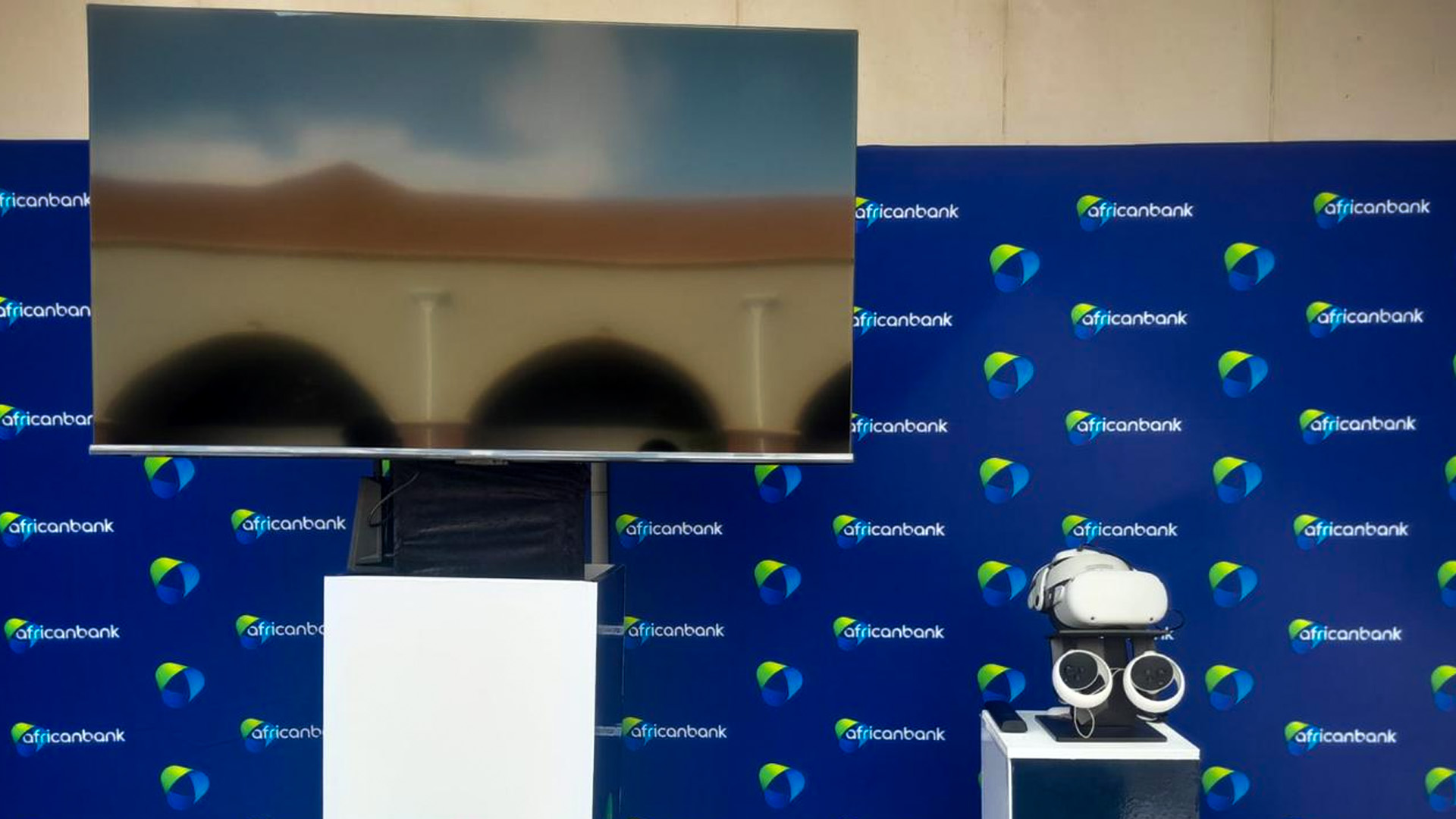
In today’s rapidly advancing digital landscape, technological innovations are reshaping every industry. One sector experiencing a major transformation is banking, where Virtual Reality (VR) is emerging as a groundbreaking medium to deepen customer engagement and redefine the user experience. In this blog, we explore how cutting-edge VR technology is setting new industry benchmarks by transforming traditional banking into a dynamic, interactive journey. We delve into an exemplary case study involving Virtual Reality South Africa (VRSA) and African Bank, whose pioneering collaboration has ushered in an era of immersive banking experiences.
The Intersection of VR and Banking
The digital era has prompted banks to innovate continually, seeking novel ways to connect with their customers. As financial institutions vie for greater client loyalty and improved service, VR emerges as a strategic tool that goes far beyond conventional online banking interfaces. By offering virtual branch tours, interactive tutorials, gamified experiences, and more, banks now have the opportunity to transform mundane transactions into engaging, memorable events.
Banks today are not simply financial intermediaries; they strive to create environments that evoke a tangible sense of trust, security, and reliability. The integration of VR in banking has the potential to bridge the gap between physical and digital worlds, providing customers with a realistic preview of branch environments and immersive insights into banking products.
Capturing Reality with Precision
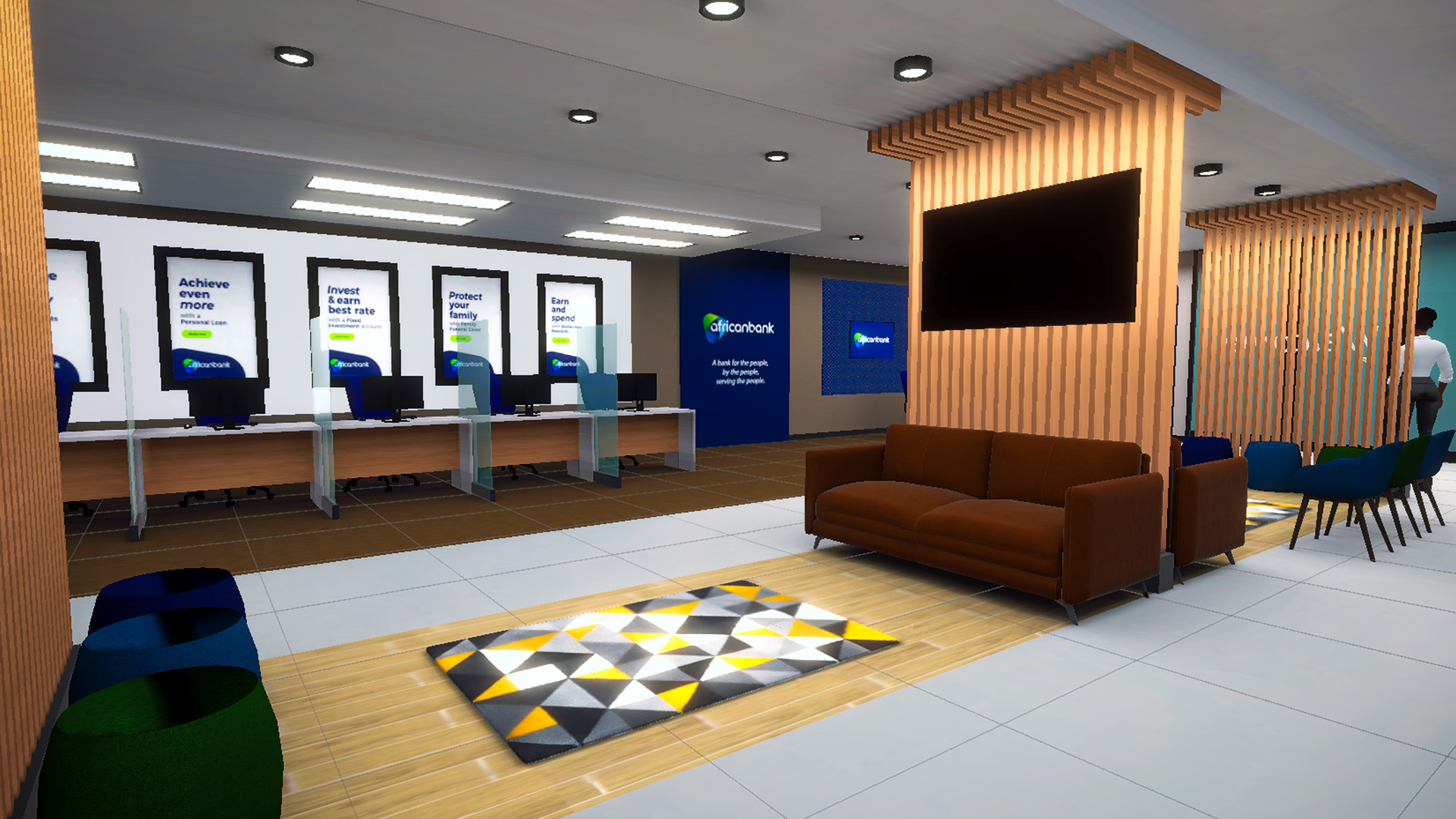
At the heart of any successful VR implementation is the precise replication of reality. Virtual Reality South Africa set the stage for excellence by employing the advanced Matterport Scanner technology to capture the authentic details of an African Bank branch. This state-of-the-art scanning system records every dimension, texture, and layout, ensuring the digital replica is as true to life as possible.
The utilization of high-fidelity scans means that the resulting 3D model is not just a computer-generated imitation—it is an accurate and highly detailed blueprint of the physical branch. This meticulous reproduction of the bank’s interior enhances the immersive quality of the virtual experience, enabling users to feel as though they are traversing the real-world environment. The precision of these scans plays a crucial role in reinforcing trust and familiarity among customers, making the digital experience both engaging and credible.
Building a Virtual Branch
Once the digital blueprint is established, the next step involves transforming the scan into a fully interactive 3D environment. Using the detailed data captured from the Matterport Scanner, VRSA created a virtual bank that mirrors African Bank’s physical branch with striking accuracy. Every wall, desk, and decorative element has been faithfully reproduced to maintain a cohesive brand identity.
The design process extends beyond mere replication. The team carefully integrated elements that reflect the bank’s Corporate Identity (CI), ensuring that the virtual space embodies the same professionalism and aesthetic values as its physical counterpart. This comprehensive approach creates a seamless, immersive experience where each digital nuance is designed to mirror the bank’s real-world ambiance, fostering an environment in which customers feel both comfortable and informed.
The Role of the Interactive Virtual Employee
A pivotal innovation in this VR experience is the introduction of an interactive virtual employee. Acting as a digital concierge, this virtual guide is tasked with welcoming customers, offering assistance, and providing relevant information about banking services. Unlike traditional static interfaces, the interactive employee adds a personal touch to the digital environment, effectively simulating the warmth and efficiency of human service.
This element of the VR experience addresses a common challenge in digital platforms: the impersonal nature of automated systems. By introducing a relatable, interactive character, African Bank reinforces its commitment to customer service excellence. Users can engage in real-time queries, receive tailored guidance, and navigate the bank’s offerings with ease, further breaking down barriers between the virtual and the physical realms of customer interaction.
Educational and Promotional Dimensions in a Virtual Space
Beyond creating an authentic replica of a bank, VR offers a unique platform for education and promotion. Within this digital environment, African Bank has embedded a host of multimedia elements designed to inform and captivate users. Strategically placed posters, videos, and interactive kiosks serve as educational tools, offering a deep dive into the bank’s services and financial products.
In this virtual setup, customers are not merely passive observers. They are encouraged to explore and interact with these multimedia modules, which provide a blend of educational insights and engaging storytelling. This approach not only informs users about banking products but also enhances financial literacy by explaining complex financial concepts in accessible ways. The fusion of education and promotion within a VR space is a testament to how immersive technology can be leveraged to both sell products and empower customers with knowledge.

Interactive Banking Experiences
Banking Application Tutorial
One of the standout components of the VR initiative is an immersive tutorial for African Bank’s mobile application. This interactive module is designed to demystify the functionalities of the bank’s digital platforms, thereby easing the transition for customers who might be wary of digital banking. Inside the virtual bank, users can engage with a replica of the bank’s app, learning how to navigate through various features, make transfers, pay bills, and access financial tools—all without the risk of making an actual transaction. This hands-on tutorial not only demystifies the app but also builds customer confidence in managing their finances digitally.
The Gamified ATM Experience
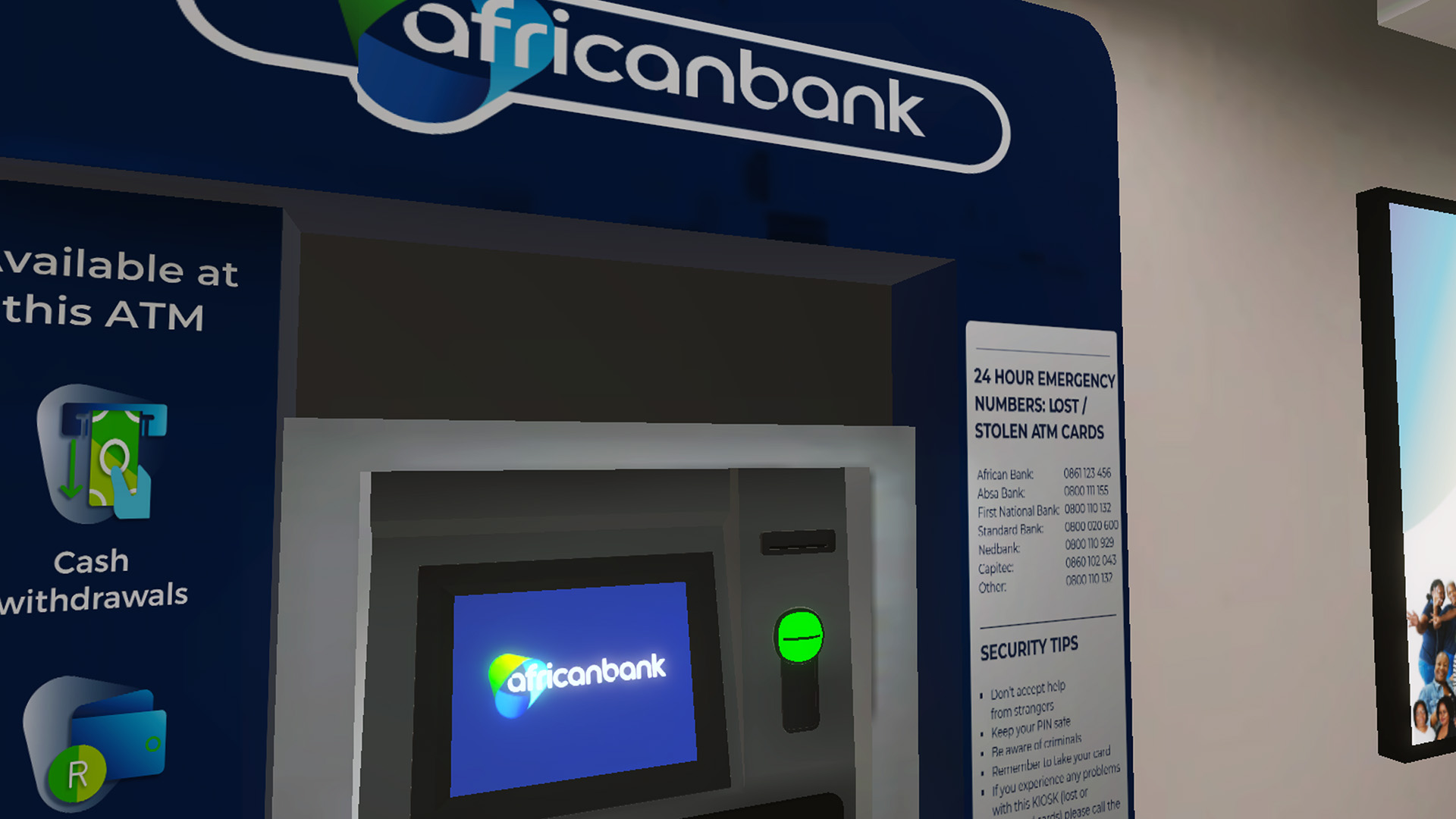
Innovation in banking is further exemplified by a creative twist on the traditional ATM experience. In a move that combines entertainment with engagement, the virtual ATM has been transformed into a slot machine. This gamified module allows users to interact with a virtual African Bank card and participate in a lottery-like game where prizes range from R100.00 to R250.00. The winning amounts are directly deposited into the customers’ bank accounts, ensuring a real-world benefit from the virtual interaction.
The ATM slot machine experience is a perfect example of how VR can make learning about financial systems fun and interactive. By incorporating elements of chance and immediate rewards, the experience not only entertains but also subtly reinforces positive behaviors—encouraging customers to explore other banking services in a low-stress, engaging environment.
The Backbone of VR Deployment
Deploying such an advanced VR experience is not without its challenges. One of the primary technical hurdles was ensuring that the highly detailed 3D models perform efficiently across a range of devices. The development team had to implement several optimization strategies, including reducing polygon counts and streamlining texture details. These techniques are vital for maintaining smooth performance, especially on lower-end hardware or devices with limited graphical processing capabilities.
Optimization is more than just a technical necessity—it is key to ensuring that the VR experience remains accessible and responsive. In environments where milliseconds matter, every enhancement in performance contributes to a more fluid and enjoyable user journey. Through rigorous testing and iterative refinements, the development team was able to deliver an experience that is both visually stunning and technically robust.
Accessibility: Expanding the Reach of Virtual Banking
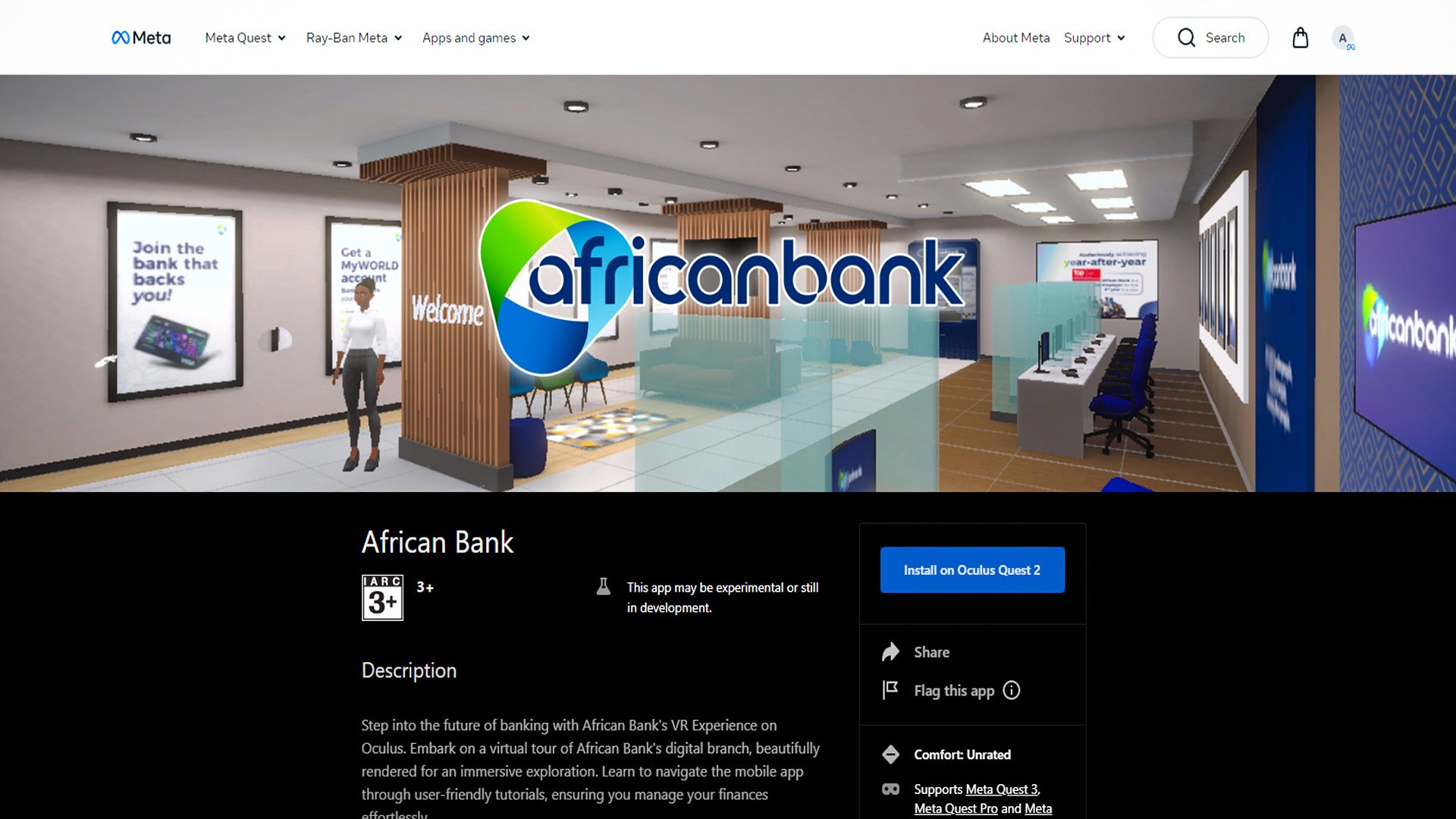
A major priority in the design of the VR experience was ensuring it could be enjoyed by as many people as possible. Recognizing that accessibility is crucial in bridging the digital divide, VRSA developed the virtual bank to be compatible with various VR headsets and devices. In addition, they created a version that can be accessed directly through standard web browsers, thereby removing the barrier for users who do not own specialized VR equipment.
This multi-platform approach underscores the commitment to inclusivity. By ensuring broad compatibility, African Bank extends its digital services to a wider audience, including those who may be engaging with VR technology for the first time. Ultimately, making VR accessible is not just about technological versatility—it’s about democratizing access to innovative banking services, ensuring that every customer, regardless of their device, can benefit from the advancements in digital experiences.
Refining Through User Testing and Feedback
No innovative solution is complete without rigorous user testing. Throughout the development of the VR experience, extensive user testing was conducted to collect feedback and identify areas that could be improved. This iterative process was fundamental in fine-tuning the digital environment to meet user expectations and operational demands.
The feedback loop allowed the team to observe firsthand how customers interacted with the virtual bank, noting both strengths and potential pain points. Adjustments were made based on user insights, ranging from interface tweaks to reconfiguring the interactive modules for a more intuitive experience. This commitment to continuous improvement not only enhanced the final product but also underscored African Bank’s customer-centric approach, demonstrating that every technological innovation is geared toward meeting the evolving needs of its clientele.
Launch and Initial Reception
The launch of the VR experience was accompanied by a well-coordinated marketing campaign and a series of in-branch demonstrations. African Bank’s strategic rollout ensured that both tech-savvy customers and traditional banking clients were introduced to the new platform in a controlled, engaging manner. Early reactions were overwhelmingly positive, with customers praising the realistic depiction of the bank’s environment and the novel interactive features that made banking both fun and informative.
The public reception not only reflected excitement over the technological leap but also translated into tangible business benefits. Higher customer satisfaction scores and a notable uptick in engagement metrics served as early indicators of the project’s success. In an industry where customer loyalty is paramount, these initial achievements marked a promising shift towards a more immersive, interactive future for banking.
Innovative Marketing and Promotion Strategies
In today’s digital world, innovation in customer experience must be mirrored by equally innovative marketing strategies. African Bank recognized this necessity early on and launched an extensive marketing campaign that highlighted the novelty and benefits of the VR experience. The promotional efforts included social media drives, email newsletters, targeted digital ads, and even in-branch events, all designed to generate buzz and educate customers about the new features.
The focus of the campaign was clear: demonstrate that African Bank is not only a financial institution but also a forward-thinking technology leader. By leveraging the immersive nature of VR in its marketing, the bank successfully positioned itself as a pioneer in the digital transformation of traditional banking. This strategic branding move not only enhanced the bank’s image but also fostered deeper connections with its customers, who felt valued and engaged by the innovative approach.
Impact on Customer Engagement and Satisfaction
Since its launch, the VR initiative has had a profound impact on customer engagement at African Bank. Customers report a heightened sense of connection to the bank, driven by the memorable and interactive nature of the virtual experience. The detailed, realistic virtual environment helps demystify financial services, making customers feel more informed and involved.
The educational and gamified elements have proven particularly effective in boosting customer satisfaction. For many, the immersive banking application tutorial has eased the transition to digital banking, while the engaging gamified features like the virtual ATM slot machine add an element of fun. This combination of education, interaction, and entertainment has established a new benchmark for how modern financial institutions can engage their customers, ultimately leading to a deeper and more sustained loyalty.

Future Developments in Virtual Banking
The success of this pioneering VR project has paved the way for new opportunities and future enhancements. Both African Bank and Virtual Reality South Africa are actively exploring additional features that could further elevate the customer experience. One area of potential development involves expanding the range of interactive tutorials to include advanced financial planning tools, risk assessment modules, and personalized investment simulations.
Another exciting prospect is the introduction of virtual meetings with bank representatives. This feature would allow customers to schedule real-time consultations in a virtual environment, offering a more convenient and engaging alternative to traditional in-branch meetings. As the technology evolves, the possibilities for integrating VR with everyday banking operations seem virtually limitless.
These future developments promise not only to enrich the digital experience but also to reinforce the role of VR as a key pillar in the overall strategy of modern financial institutions. By continuing to innovate and iterate, banks like African Bank are setting the stage for a new era in customer service—one where digital and physical interactions are seamlessly integrated.
How Banks Can Leverage Virtual Reality to Enhance Their Offerings
The case study of Virtual Reality South Africa and African Bank offers valuable insights into how banks can effectively use VR to promote their products and services. The key lies in the strategic integration of immersive technology across various facets of the banking experience. Here are several approaches banks can adopt to harness the power of VR:
1. Virtual Branch Tours
By offering virtual tours, banks can provide potential customers with a comprehensive view of their facilities without the need for physical visits. These tours not only convey trust and transparency but also allow prospective clients to experience the ambiance and layout of the branch. The digital walkthrough can be enriched with detailed descriptions of services available at different sections of the branch, making it an excellent tool for customer onboarding.
2. Interactive Product Demonstrations
Banks can create interactive demonstrations that guide customers through digital banking platforms and financial products. These virtual tutorials can break down complex processes into simple, intuitive steps, allowing users to become familiar with the tools available. For instance, a hands-on demonstration of how to set up and manage online banking accounts, apply for loans, or invest in financial products can significantly reduce apprehension about digital platforms.
3. Educational Modules for Financial Literacy
Financial literacy remains a cornerstone of customer empowerment. VR provides an innovative medium for banks to educate their customers on diverse financial topics. By simulating real-life financial scenarios, virtual modules can help users understand investment strategies, budgeting, savings, and other essential financial concepts. This educational content not only benefits the customer but also positions the bank as a trusted advisor in financial matters.
4. Gamification and Interactive Rewards
Integrating gaming elements into the banking experience can be a powerful engagement tool. Gamification, as demonstrated by the virtual ATM slot machine experience, introduces an element of fun while reinforcing positive financial behaviors. Banks can design similar interactive games where users earn rewards or receive discounts, thereby incentivizing regular engagement with the bank’s services.
5. Virtual Customer Service and Assistance
The deployment of interactive virtual assistants within VR environments can provide 24/7 customer support. These digital guides can offer personalized assistance, answer queries, and help users navigate both the virtual and real-life banking systems. A responsive virtual assistant not only enhances customer satisfaction but also contributes to more efficient service delivery.
6. Immersive Marketing Campaigns
VR opens up new avenues for marketing that are both memorable and impactful. Banks can produce immersive promotional content—such as interactive ads and virtual product launches—that capture the audience’s attention in unprecedented ways. This form of marketing can lead to higher conversion rates and stronger brand recognition, particularly among younger, tech-savvy demographics.
7. Event Activations and Live Demonstrations
Banks can maximize the potential of VR by setting up interactive booths at events, trade shows, and community fairs. Live demonstrations of VR banking experiences can attract large crowds and generate buzz around new digital initiatives. Such events not only serve as marketing opportunities but also provide real-time feedback on consumer interactions, allowing banks to refine their offerings continually.
The Broader Implications for the Banking Industry
The integration of virtual reality into banking goes far beyond a mere technological upgrade; it symbolizes a fundamental shift in how financial services are perceived and delivered. As customers increasingly demand personalized, engaging, and digitally accessible financial interactions, VR provides an avenue to meet and exceed these expectations. This innovative approach challenges traditional banking paradigms and paves the way for a more interactive, user-focused future.
Enhancing Trust and Transparency
One of the biggest challenges for banks in the digital age is maintaining customer trust. By leveraging VR to offer transparent and accessible virtual tours, interactive tutorials, and realistic customer service simulations, banks can establish a deeper level of trust with their customers. This transparency reassures clients that the digital version of the bank is as secure, reliable, and customer-centric as its physical counterpart.
Bridging the Gap Between Innovation and Accessibility
While advanced technologies are often associated with exclusivity, the democratization of VR is ensuring that these digital experiences are accessible to a broader audience. By optimizing VR experiences for various devices—from high-end VR headsets to standard web browsers—banks can ensure that innovation is not confined to the technologically privileged. This inclusivity is essential for banks that aim to serve a diverse customer base, encompassing both digital natives and traditional banking clients.
Reinforcing the Competitive Edge
In an industry where competition is fierce and differentiation is key, early adopters of VR technology stand to gain a significant competitive advantage. Banks that integrate immersive VR experiences not only enhance customer loyalty but also signal to the market that they are at the forefront of digital innovation. This proactive stance can be particularly effective in attracting younger generations, who value technological proficiency and personalized service.
The Promise of a Virtual Banking Revolution
The partnership between Virtual Reality South Africa and African Bank is more than just an isolated case study—it is a glimpse into the future of the financial industry. Through meticulous attention to detail, innovative design, and a relentless focus on user experience, this project has shown that VR is not merely a gimmick but a transformative tool capable of redefining customer engagement.
Banks leveraging VR technology can transform traditional banking services into dynamic, interactive experiences that educate, entertain, and engage. From virtual branch tours and interactive product demonstrations to gamified experiences that reward customer loyalty, the possibilities are boundless.
As we look ahead, the continued evolution of VR technology promises to deepen this transformation. With plans already underway for virtual consultations, advanced financial planning tools, and further refinements based on user feedback, the future of virtual banking holds tremendous potential. Financial institutions that embrace these innovations will not only enhance customer satisfaction and loyalty but also set new standards in the highly competitive banking landscape.
In essence, the integration of VR into banking is a testament to the industry’s commitment to evolve and meet the needs of an increasingly digital society. By investing in immersive experiences, banks can create lasting impressions, foster deeper connections with their customers, and ultimately, shape a more innovative and accessible financial ecosystem.
As more banks explore and adopt VR solutions, one can only imagine a future where digital and physical experiences merge seamlessly, creating a world where banking is not confined to traditional spaces but lives at the intersection of technology and human connection. This virtual revolution is well underway—ushering in a new era of interactive, customer-first banking.
Final Thoughts
The journey into immersive virtual reality is not just a trend but a strategic imperative in today’s technology-driven era. As showcased by the VRSA and African Bank project, the future of banking lies in creating rich, interactive environments that resonate with users on multiple levels. Financial institutions stand to gain not only in terms of enhanced customer engagement and satisfaction but also in solidifying their position as leaders in digital innovation.
Embracing these changes now will set the stage for a transformed industry, one in which the lines between the digital and physical worlds blur, offering customers an unparalleled level of service, security, and engagement. In the near future, the banks that truly understand and leverage the potential of VR will be those that drive the next wave of financial innovation—creating experiences that are as dynamic as they are transformative.
The Broader Implications For The Banking Industry