

Harnessing AR
Author
Elisha Roodt
Date Published

Discover How AR Transforms Customer Interactions and Propels Brand Experiences
Augmented reality is reshaping the landscape of brand communication, enabling companies to forge intimate connections with consumers through immersive digital layers. In this dynamic environment, technology and creativity coalesce to offer experiences that transcend traditional marketing, captivating audiences with interactive narratives and engaging visual spectacles. Global brands are harnessing the power of AR to personalize campaigns, drive deeper interactions, and elevate customer satisfaction. This transformation redefines how messages are conveyed and relationships are built, creating a realm where the digital seamlessly intertwines with the real, sparking enthusiasm and forging lasting bonds.
Immersive Storytelling through Augmented Reality Experiences
Narrative Crafting: The Fusion of Reality and Imagination
Augmented reality empowers brands to craft narratives that blend tangible reality with digital layers, creating engaging storylines that captivate consumers’ imaginations. In this paradigm, narratives are no longer constrained by two-dimensional screens; instead, they expand into three-dimensional realms where each customer becomes an active participant in the tale. By marrying traditional storytelling with interactive visuals, brands kindle a sense of wonder and anticipation, inviting users to explore layered story worlds that feel both innovative and familiar. This symbiosis of reality and fantasy encourages a profound emotional investment, as audiences actively shape the narrative with every interaction.
The integration of imaginative storytelling in AR-driven campaigns not only ignites consumer curiosity but also forges a memorable brand identity. As viewers engage with these augmented narratives, they encounter story arcs that transcend the conventional, inviting them to discover hidden details and secret messages embedded within the experience. The unexpected interplay of digital elements with everyday environments creates a sensory spectacle that blurs the line between fantasy and reality. This creative approach, rich with symbolic references and allegorical nuances, transforms the audience into co-creators of the unfolding brand saga.
Emotional Resonance: Eliciting Deep Consumer Connections
The immersive capabilities of AR technology enable brands to evoke subtle emotional responses, creating an atmosphere laden with sentiment and authenticity. Brands leverage AR to create scenarios where consumers feel a genuine connection, tapping into the latent emotional landscape within each interactive encounter. The experiences are deliberately designed to resonate on a personal level, inviting users to relive cherished memories or explore aspirations in a vivid, tangible way. This emotional resonance is cultivated through thoughtful imagery, melodic soundscapes, and spatial storytelling that aligns with individual values and experiences.
By instilling a rich tapestry of sensory cues and interactive features, AR campaigns create an experiential dialogue between the brand and its audience. These interactions often function like modern-day folklore, where each consumer contributes to a collective narrative that is celebrated across communities. The deliberate use of evocative visuals and empathetic design elements ensures that every augmented interaction feels customized and emotionally impactful, reinforcing brand affinity and nurturing long-term consumer loyalty through meaningful, shared experiences.
Interactive Visual Journeys: Merging Digital and Physical Worlds
Augmented reality transforms passive audiences into dynamic participants, turning everyday surroundings into interactive canvases where digital content and physical space converge seamlessly. This convergence ushers in a new era of experiential marketing, where consumers embark on visual journeys that are as engaging as they are intuitive. Brands create elaborate digital overlays that enhance the familiar environment with unexpected animations, informative visuals, and interactive hotspots that encourage exploration. These journeys are not linear but evolve as users interact with elements, forming a feedback loop that personalizes the experience in real time.
The allure of these interactive visual journeys lies in their ability to turn mundane spaces into extraordinary portals of discovery. Every interaction is meticulously designed to provide both excitement and informative content, enabling users to access supplementary product details, historical anecdotes, or futuristic forecasts through a simple gesture. This strategic integration of digital augmentation infuses everyday experiences with layers of discovery, transforming traditional marketing methods into vivid, multi-sensory adventures that invite consumers to play, learn, and ultimately connect with the brand’s narrative.

Innovative AR Campaigns from Global Brands
Case Study: L'Oréal's Virtual Try-On Revolution
L'Oréal has revolutionized the cosmetic industry by implementing AR-powered virtual try-on technology, which invites customers to experiment with diverse makeup styles without stepping into a physical store. The campaign uses cutting-edge facial recognition algorithms and realistic rendering techniques to simulate product application, enabling users to visualize different hues and textures effortlessly. This innovative approach not only minimizes the barrier to purchase but also provides a personalized experience that resonates with beauty enthusiasts worldwide. The virtual try-on tool is a testament to the brand’s commitment to harnessing technology as a means to democratize beauty and boost customer engagement.
In addition to fostering a sense of individualized service, the L'Oréal AR initiative deepens consumer trust by offering authentic representations of how products perform in real time. Shoppers are invited to interact with the technology in intuitive ways, exploring countless shades and combinations that align with their unique aesthetic sensibilities. The campaign’s interactive nature fuels social media buzz, as users share their personalized looks and invite friends to join the experience. By integrating sophisticated AR technology with traditional marketing strategies, L'Oréal sets a pioneering standard that bridges the gap between digital innovation and consumer lifestyle, transforming the beauty shopping experience into a seamless digital journey.
Case Study: IKEA Place and Its Transformative Shopping Experience
IKEA Place harnesses AR to empower customers to visualize furniture within their own living spaces, revolutionizing the traditionally daunting task of interior design. By overlaying three-dimensional models of furniture in real time, the app provides an accurate sense of scale, color, and style, allowing users to experiment with different layouts before making any purchase decisions. This immersive approach enables customers to bypass the uncertainty of online shopping and confidently picture how a piece will integrate into their home environment. The campaign underscores IKEA's commitment to innovation, driving engagement by transforming the shopping process into an interactive and enjoyable experience.
The application’s intuitive interface and precise spatial mapping imbue the traditional shopping journey with newfound interactivity, offering a blend of practicality and creative exploration. The AR experience unfolds like a digital blueprint where every tapped detail informs the decision-making process, inspiring users to experiment with diverse décor styles in a risk-free virtual setting. This transformational experience bolsters consumer trust and satisfaction, fostering deeper engagement as shoppers witness firsthand the potential of each product within the context of their own spaces. Ultimately, IKEA Place not only redefines furniture shopping but also becomes a powerful tool in shaping modern interior design narratives.
Case Study: Nike’s SNKRS and the Game-Changing Sneaker Hunt
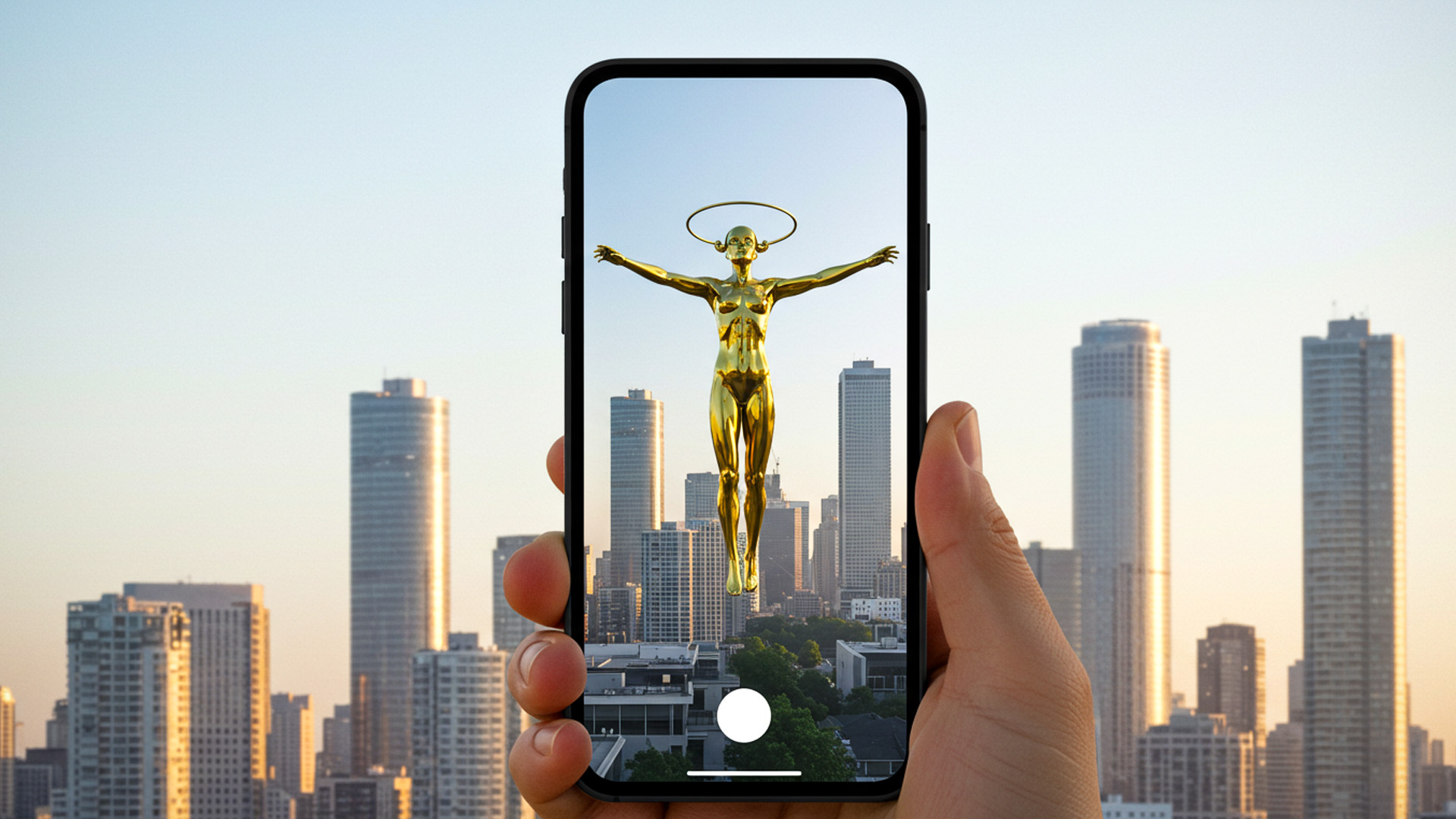
Nike has ingeniously integrated AR into its SNKRS app, crafting an engaging sneaker hunt that blurs the line between retail and gamification. Through this campaign, customers embark on an interactive quest to uncover limited-edition releases, utilizing location-based AR prompts that merge digital clues with real-world landmarks. This captivating initiative transcends traditional advertising by transforming the shopping experience into an adventure, fueling excitement and anticipation among sneaker enthusiasts. The fusion of innovative technology with the thrill of discovery underscores Nike’s prowess in creating a compelling consumer journey that is both entertaining and deeply engaging.
The AR-powered sneaker hunt operates as a modern-day treasure quest, where clues and challenges are strategically distributed across urban landscapes, inviting fans to partake in a shared narrative of exclusivity and innovation. Participants engage with the digital interface to decode cryptic hints, unlock rewards, and secure coveted sneakers in a manner that feels both spontaneous and meticulously orchestrated. This playful yet sophisticated campaign not only amplifies brand allure but also reinforces Nike’s reputation as a trailblazer in digital marketing innovation. By intertwining technology, creativity, and a sense of community, Nike’s initiative transforms conventional commerce into an exhilarating exploration that stimulates both intellect and passion.
Integrating AR with Digital Marketing Strategies
Omnichannel Engagement: Unifying Digital and In-Person Experiences
In a world where consumer touchpoints span online and offline realms, augmented reality serves as a unifying catalyst that seamlessly integrates digital innovation with real-world interactions. Brands are increasingly leveraging AR to enrich their omnichannel strategies, providing consistent experiences that transcend the limitations of conventional marketing platforms. This approach ensures that customers enjoy a cohesive narrative regardless of whether they are engaging via mobile apps, in-store displays, or immersive digital environments. The strategic confluence of interactive digital overlays and tangible customer interactions cultivates a dynamic environment that reinforces brand identity while enhancing user convenience and satisfaction.
AR-driven omnichannel campaigns have the power to recalibrate the consumer journey by injecting digital curiosity into physical encounters. Retail spaces transform into interactive exhibits where product information, promotional content, and virtual assistance converge into a holistic experience tailored for modern shoppers. By synchronizing these diverse channels, brands can offer an enriched narrative that is both informative and engaging, ensuring that every consumer touchpoint is imbued with a sense of innovation and continuity. This integrated approach not only amplifies customer engagement but also provides valuable insights through the convergence of digital analytics and physical interactions, paving the way for smarter, data-driven marketing strategies.
Data-Driven Personalization: Tailoring AR Interactions
Augmented reality is proving to be an invaluable asset in the pursuit of data-driven personalization, offering tailored experiences that resonate with individual consumer behaviors and preferences. Brands are deploying sophisticated AR frameworks that collect real-time interactions and usage patterns, enabling a precise calibration of marketing messages and product recommendations. By capturing granular data through interactive experiences, companies can gain unprecedented insights into consumer behavior while refining their strategies to enhance engagement. This data-centric approach transforms the AR interface into both a marketing tool and a feedback mechanism, continuously fine-tuning the customer journey based on personalized, actionable insights.
Through the marriage of AR and advanced analytics, brands create ecosystems where each consumer interaction is both enriching and instructive. The technology allows for the layering of personalized content that adapts dynamically to user inputs, ensuring that every digital overlay is contextually relevant and engaging. This meticulous attention to personalization fosters an environment where customers feel understood and valued, as the AR experience evolves to mirror their unique interests and lifestyle nuances. By leveraging data-driven insights, brands not only enhance the interactive potential of AR campaigns but also optimize their overall marketing efficiency, ultimately driving higher customer satisfaction and long-term brand loyalty.
Creative Collaborations: Merging Technology and Artistry
The symbiosis of technology and creative expression is at the heart of AR-driven campaigns that push the boundaries of conventional marketing. Brands are increasingly partnering with digital artists, technologists, and innovative agencies to craft bespoke AR experiences that transcend standard advertising fare. These creative collaborations unlock a realm where avant-garde visuals, intricate animations, and immersive soundscapes converge to produce spectacles that captivate audiences on multiple sensory levels. The result is a harmonious blend of technical ingenuity and artistic flair that transforms AR interfaces into dynamic canvases, celebrating ingenuity and innovation in equal measure.
Collaborative initiatives in AR marketing encourage a cross-pollination of ideas that result in highly original and memorable campaigns. By engaging with creative visionaries, brands infuse their digital strategies with fresh artistic insights that resonate on emotional and intellectual planes. Each collaborative project becomes a testament to the transformative power of merging state-of-the-art technology with rich creative storytelling. This integrated approach not only elevates the consumer experience by presenting multidimensional content but also establishes the brand as a vanguard of both technological progress and artistic innovation. Through such partnerships, brands are able to craft immersive narratives that echo long after the digital experience has ended.
The Future of Augmented Reality in Consumer Engagement
Emerging Technologies: AI and AR Convergence
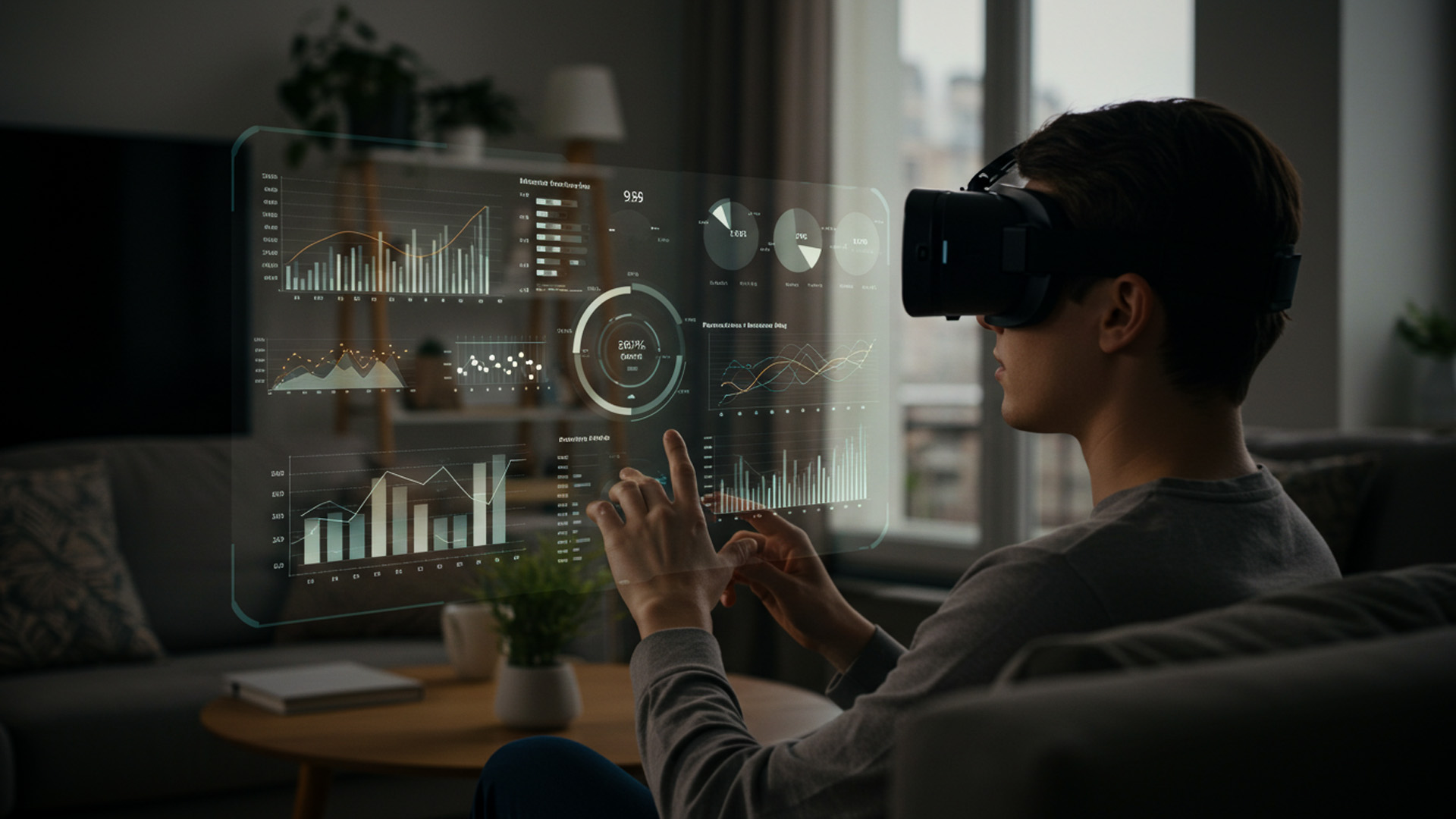
The convergence of artificial intelligence and augmented reality is catalyzing a paradigm shift in consumer engagement, setting the stage for experiences that are not only immersive but also intuitively adaptive. This technological fusion is poised to create intelligent environments where AR interfaces continuously learn and evolve based on user behavior and environmental context. Consumers may soon interact with digital assistants that anticipate needs and provide tailored content through augmented overlays, merging the realms of smart technology and interactive media seamlessly. The AI-AR nexus brings forth an era of hyper-personalized marketing that transforms static campaigns into living, responsive ecosystems, poised to captivate modern audiences.
As brands navigate this emerging frontier, the integration of AI-enhanced AR offers an unprecedented level of interactivity and adaptability. Intelligent algorithms help refine user experiences by analyzing engagement patterns, predicting consumer behavior, and delivering content that adjusts in real time. This synergy not only streamlines the interaction process but also imbues each augmented experience with a level of sophistication and nuance previously uncharted in digital marketing. The result is a symbiotic relationship where technology evolves in tandem with consumer expectations, laying the groundwork for future innovations that will redefine how brands interact with their audiences in a fast-paced, ever-changing digital landscape.
Scalability and Sustainability: The Next Frontier
As augmented reality continues its ascent in the realm of consumer engagement, scalability and sustainability emerge as pivotal considerations for brands aiming to maintain momentum and relevance. The evolution of AR technology now demands that campaigns not only captivate audiences but also adapt effortlessly across diverse platforms and markets. Brands must employ forward-thinking strategies that accommodate rapid technological advancements while ensuring cost-effective and sustainable operations. This forward trajectory involves the synthesis of scalable AR frameworks that can be updated and optimized without sacrificing the user experience or compromising environmental integrity. The delicate balance between rapid innovation and responsible deployment forms the cornerstone of future AR marketing endeavors.
Organizations that successfully navigate this landscape will harness modular AR solutions capable of seamless integration into existing digital infrastructures, thereby ensuring a fluid transition between traditional and interactive content. The commitment to sustainability extends beyond mere resource optimization; it encompasses the responsible stewardship of consumer data, as well as the promotion of inclusive, accessible digital experiences. By investing in scalable and eco-conscious AR strategies, brands not only future-proof their marketing efforts but also contribute positively to the broader ecosystem of digital innovation. This holistic approach establishes a robust foundation upon which the next generation of consumer engagement will be built, inviting brands to lead with both creativity and conscientious foresight.
Experiential Retail: Crafting Tomorrow’s Shopping Paradigm
Augmented reality is reimagining the retail space by transforming passive shopping environments into interactive, experiential arenas. In this redefined landscape, consumers are no longer mere spectators but active participants in a digitally enhanced retail narrative. AR elevates product presentation, overlays contextual information seamlessly onto physical goods, and offers real-time, interactive demonstrations that enrich the shopping experience. This paradigm shift fosters an environment where every step through a retail space is imbued with discovery and wonder, as digital elements guide the journey and assist in making informed purchasing decisions. By leveraging these immersive technologies, brands anticipate a future where experiential retail becomes the norm, blurring the boundaries between offline and online engagement.
The transformation of traditional retail spaces into dynamic hubs of augmented experiences marks a radical departure from the conventional shopping model. In these environments, each customer’s journey is uniquely curated by interactive touchpoints that harness the full spectrum of digital innovation. This interactivity not only enhances product discovery but also personalizes the shopping experience, enabling consumers to envision products in their own lives before committing to purchase. Brands at the forefront of this revolution are pioneering a retail paradigm that celebrates experimentation, creativity, and personalized service, thereby ensuring that every interaction is memorable, engaging, and transformative for the discerning modern consumer.