

VR Meets Solar Energy
Author
Gerald Ferreira
Date Published
Bridging Cutting-Edge Technology and Renewable Innovation
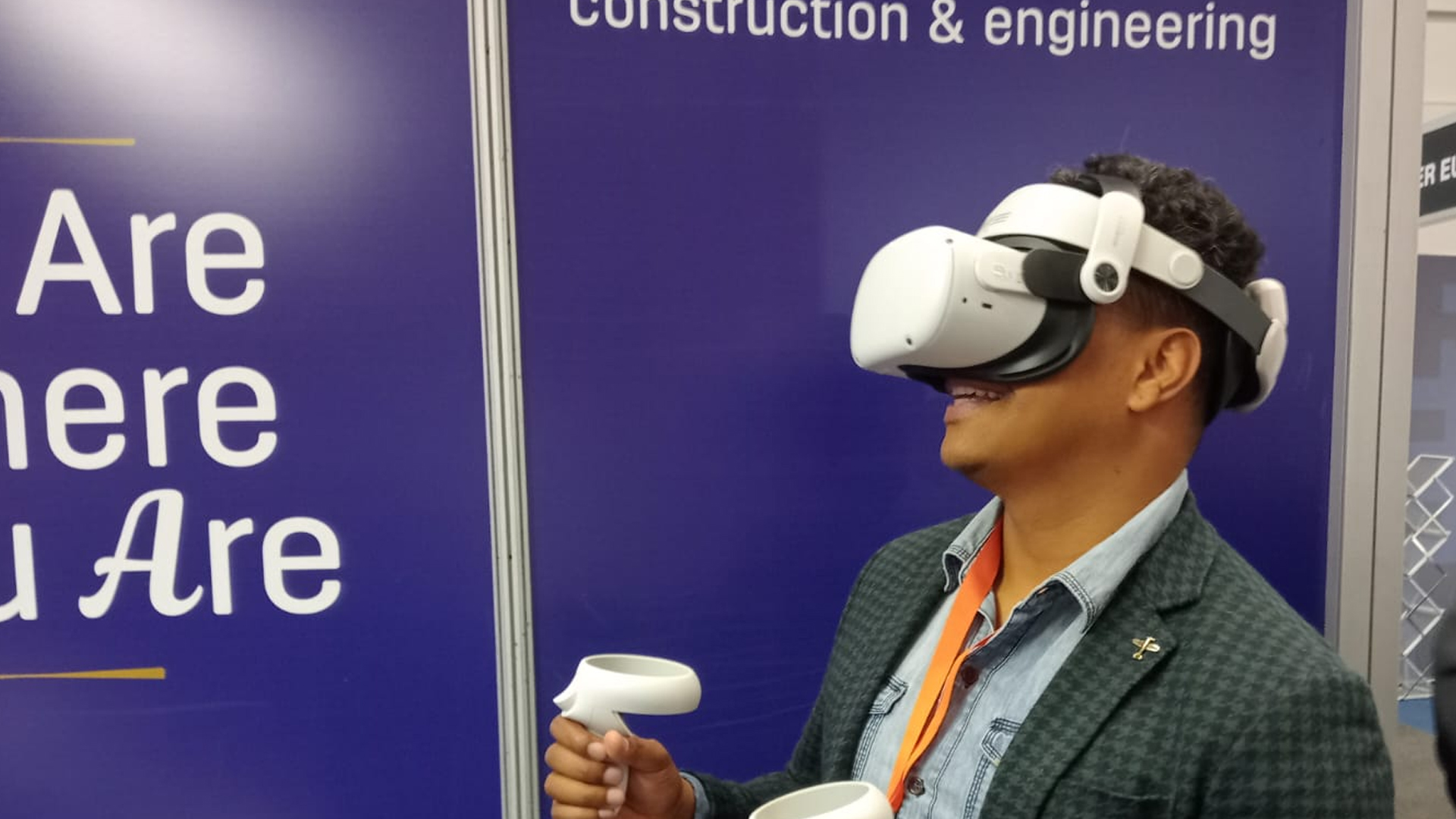
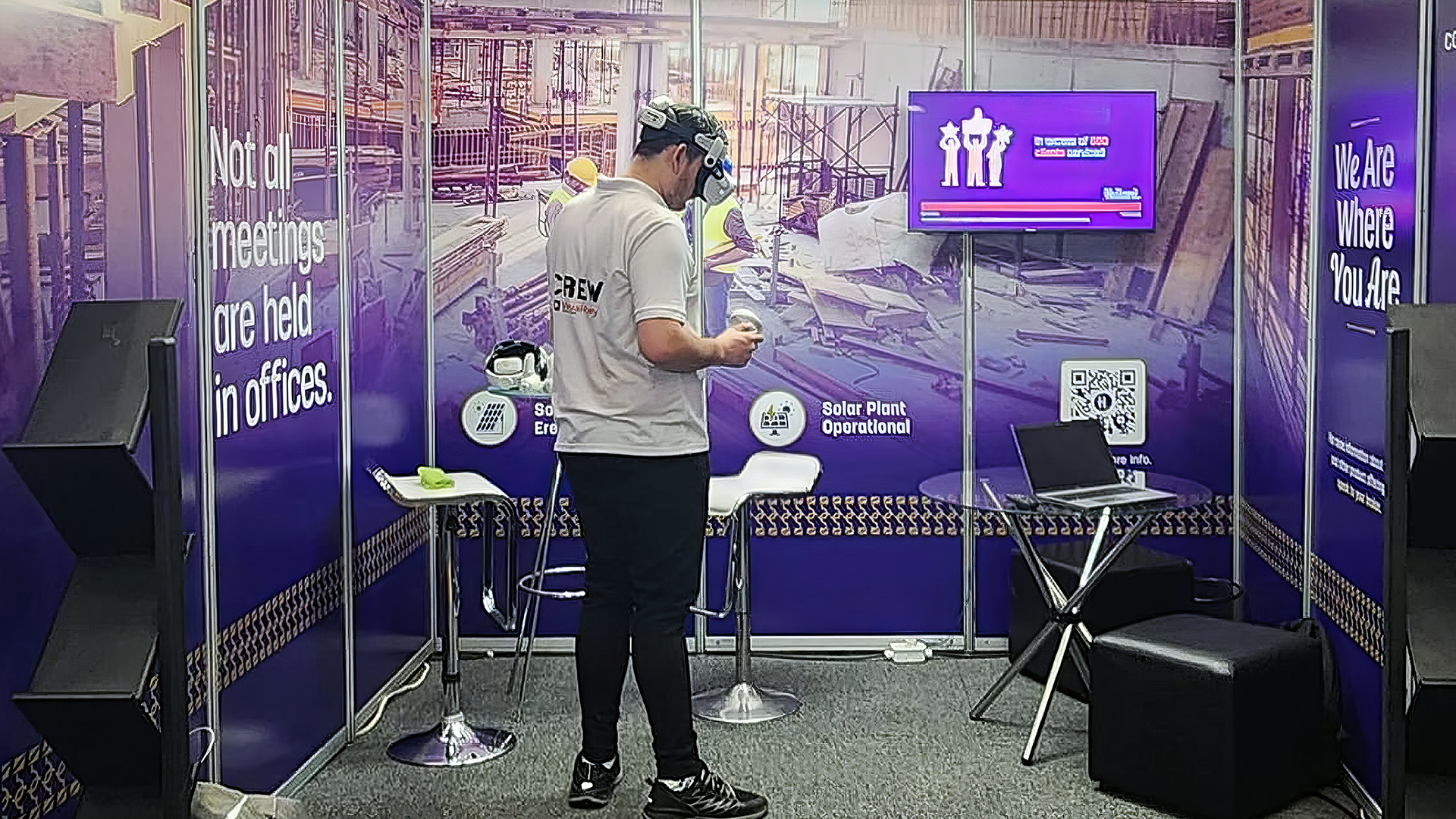
Imagine stepping into a virtual world where sustainable energy solutions are not only visualized but experienced firsthand. At the Africa Energy Indaba, a groundbreaking VR experience transformed how industry professionals and enthusiasts engage with solar energy innovations. This immersive journey brought forth a vivid demonstration of how virtual reality can act as a catalyst for spreading sustainable energy knowledge while simultaneously electrifying discussions around renewable resources. The event showcased a unique fusion of virtual technology and solar power, offering participants a fresh lens through which to view the future of energy in Africa and beyond.
This pioneering VR initiative created an unforgettable experience designed to inform, inspire, and drive conversations. It provided a dynamic platform that broke down technical details into accessible, tangible insights, allowing attendees to experience the operational principles of solar energy in a way that traditional presentations simply cannot match. Through engaging visuals, interactive simulations, and an intuitive digital interface, the VR experience not only illuminated the potential of renewable energy but also highlighted the transformative role that immersive technology can play in an industry on the brink of significant evolution.
Experiencing Solar Energy Through VR
Immersive Technology in Action
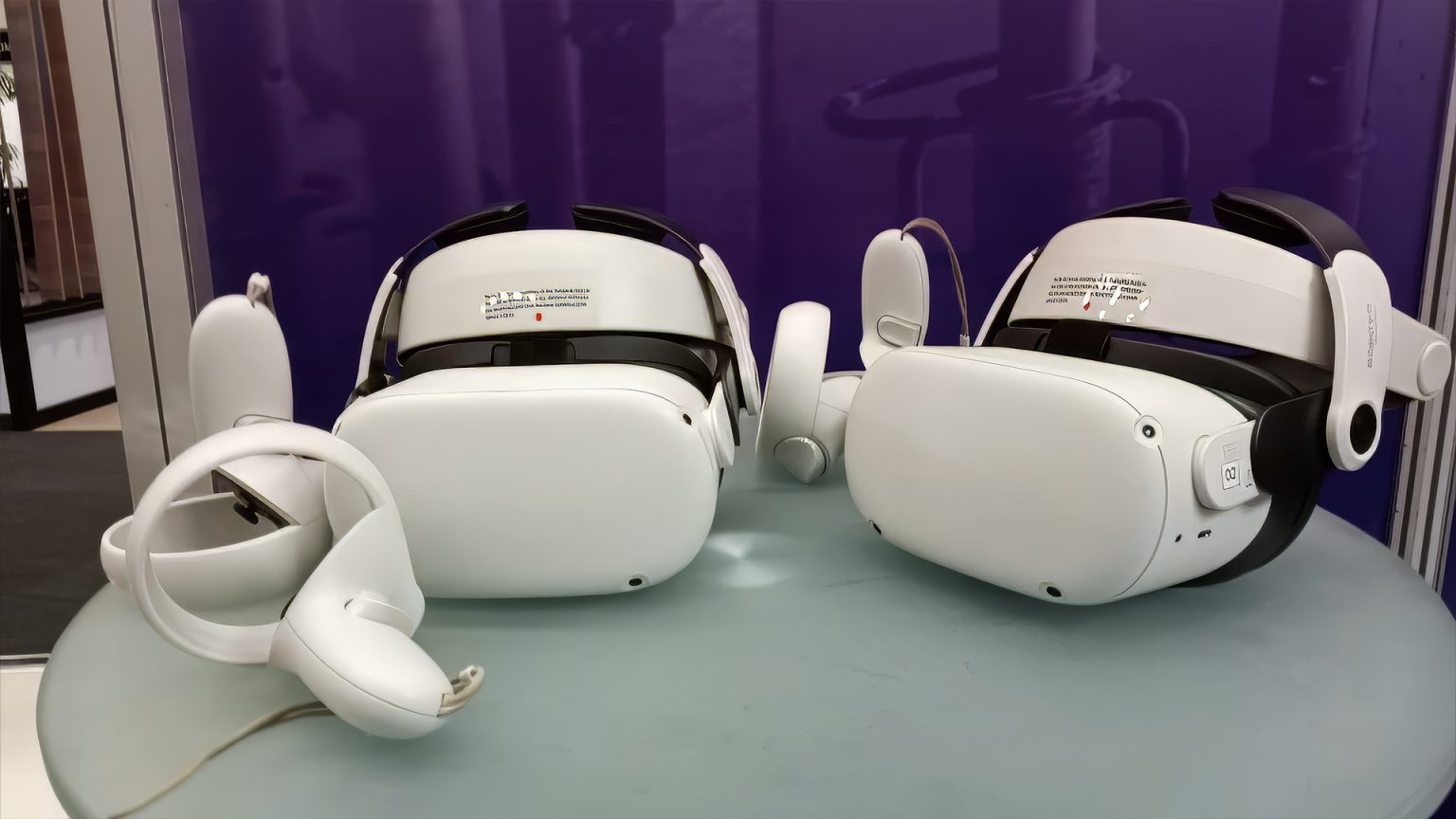
Picture entering a virtual simulation where solar panels stretch out before you, absorbing sunlight in real-time, and where digital interfaces come alive with energy data. During the Africa Energy Indaba, participants were given the opportunity to navigate a fully interactive VR environment that showcased the latest advancements in solar energy. Using state-of-the-art VR headsets, they stepped into a world that accurately replicated the mechanics of solar technology—from the way sunlight is captured by photovoltaic panels to how energy is stored and distributed.
This hands-on experience was designed to demystify renewable energy concepts by converting abstract theories into engaging visual displays and interactive modules. By simulating real-world conditions and processes, the VR experience provided a comprehensive education on solar energy, making the technology more relatable and accessible. Visitors were not mere spectators; they were active explorers in a digital landscape where every component of the solar energy system was brought to life in stunning detail.
Transforming Solar Energy Education
The power of immersive technology lies in its ability to translate complex information into easily digestible experiences. At the Indaba, the VR presentation broke down the sophisticated mechanisms behind solar energy into interactive, educational segments. Participants could engage with digital models that illustrated how solar panels convert sunlight into electricity and examine the energy flow from generation to storage. Each module was paired with succinct, informative content designed to increase understanding and retention, ultimately bridging the gap between theoretical knowledge and practical application.
This approach not only enhanced comprehension among industry professionals but also inspired a new generation of energy enthusiasts. By leveraging virtual reality to simulate real-world renewable energy systems, the experience cultivated a deeper appreciation for the technological innovations that drive sustainability. It enabled the audience to visualize a future where solar energy is seamlessly integrated into everyday life, setting the stage for a broader, more informed conversation around clean energy solutions.
Engaging Audiences and Industry Impact
The event’s innovative use of VR technology had a powerful impact on its audience. Attendees reported a heightened level of engagement, with many expressing that the immersive experience provided a fresh perspective on renewable energy challenges and opportunities. The interactive nature of the VR simulation made abstract energy concepts tangible, leading to more informed questions and stimulating discussions among participants.
Furthermore, the VR experience acted as a bridge between tech innovators and energy professionals, sparking collaborations and ideas for future projects. The palpable enthusiasm generated by the demo underlined the potential of virtual reality not only as an educational tool but also as a means to foster industry-wide dialogue. It encouraged stakeholders to consider new ways of integrating sustainable solutions into their operations, potentially paving the way for more innovative energy projects across the continent.
Integrating VR and Renewable Energy
Innovative VR Solutions for the Energy Sector
The convergence of VR technology and renewable energy at the Africa Energy Indaba demonstrated how immersive solutions can play a crucial role in revolutionizing the energy sector. The VR experience leveraged advanced digital modeling and simulation to visualize complex energy systems, making it easier for industry professionals to understand and interact with cutting-edge solar technologies. This fusion of immersive digital tools with tangible energy applications has the power to streamline research, accelerate technological adoption, and simplify the training process for emerging technologies.
By utilizing VR in the renewable energy sector, companies can simulate various operational scenarios, predict system performance, and optimize energy generation strategies—all in a fully controlled digital environment. This capability not only reduces risk and cost but also speeds up the development cycle for new energy solutions. The success of this VR demonstration at the Indaba highlights the potential for virtual reality to become a standard tool in the energy industry, driving a new era of efficiency and innovation.
Enhancing Sustainability Through Virtual Reality
The Africa Energy Indaba showcased not just the potential of VR as an educational tool but also its ability to enhance overall sustainability initiatives. Virtual reality offers a way to experiment with and refine renewable energy strategies without the constraints of physical resources. By simulating various factors—such as weather conditions, geographic variability, and technological improvements—VR can provide valuable insights that drive more sustainable practices in the energy sector.
For instance, by adjusting virtual models in real time, energy experts can analyze how different configurations of solar panels affect energy output, identify potential system inefficiencies, and optimize renewable installations. This dynamic use of VR technology facilitates a more sustainable approach to energy planning and execution, ensuring that resources are used wisely and that systems are designed with maximum efficiency in mind. The event exemplified how VR can serve as a powerful tool in advancing sustainable energy practices and influencing policy decisions by offering a clearer picture of the real-world implications of renewable technology.
Future Possibilities in VR-Driven Energy Education
As the technology behind VR continues to evolve, its application in the energy sector presents exciting future possibilities. Imagine a scenario where renewable energy projects are designed, tested, and implemented entirely within immersive virtual environments before being deployed in the real world. Such a development could revolutionize the way energy systems are conceptualized and managed, reducing costs and increasing efficiency while fostering innovation.
The integration of VR into energy education and planning has the potential to cultivate a new generation of experts who are not only well-versed in theoretical energy concepts but also proficient in leveraging cutting-edge technologies. With ongoing advancements in VR hardware and software, future simulations will likely be even more detailed, interactive, and predictive. This evolution promises to further empower energy professionals, enabling them to harness virtual reality as a dynamic tool in the continuous pursuit of sustainable, renewable energy solutions.
Outcomes and Broader Industry Impact
Audience Engagement and Feedback
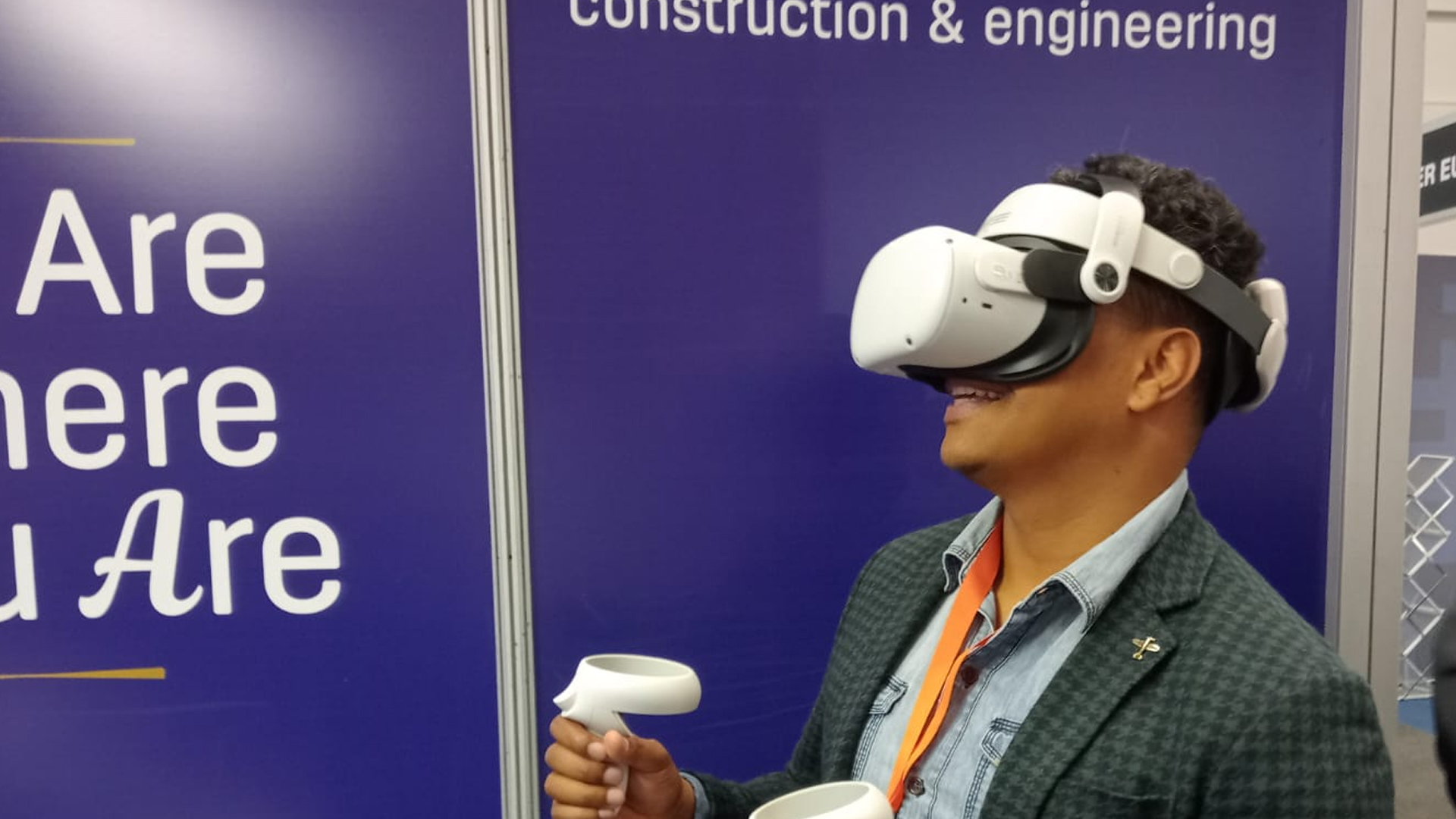
The VR demonstration at the Africa Energy Indaba resonated strongly with participants, evoking a mix of excitement, curiosity, and inspiration. Many attendees remarked on how the immersive experience made complex solar technologies easier to understand, while others noted that it spurred new ideas for integrating VR into their own energy projects. The interactive nature of the demo encouraged active participation, with users engaging in real-time discussions and sharing their thoughts on the future of renewable energy. This level of engagement underscores the transformative potential of VR to enhance learning, drive collaboration, and spark innovative thinking in sectors traditionally dominated by static presentations and theoretical discussions.
Elevating Industry Standards
The success of this VR initiative has the potential to redefine industry standards within the renewable energy sector. By demonstrating how virtual reality can be used as a tool for education, training, and operational optimization, the project sets a new benchmark for how energy companies approach innovation. It highlights the role of immersive technology not merely as a novelty but as a practical, impactful means to address complex challenges in energy management and sustainability. This shift is particularly significant in regions where renewable energy is a critical pathway for future development, offering a scalable, efficient way to bolster energy literacy and industry readiness.
A Catalyst for Renewable Energy Transformation
The impact of this VR experience extends far beyond the event itself. Its success has the potential to catalyze a broader transformation in the renewable energy sector by integrating digital innovation into every facet of energy planning and education. The demonstration serves as a prime example of how technology can be leveraged to drive meaningful change—empowering communities, informing policy, and accelerating the adoption of sustainable practices. As industries around the world continue to seek ways to embrace renewable energy, immersive VR experiences like this one offer a blueprint for how digital tools can usher in a new era of efficiency, collaboration, and sustainable growth.
Hollard Virtual Reality Experience