

VR vs AR vs MR vs XR
Author
Elisha Roodt
Date Published

Exploring the Layers of Immersive Digital Experiences
In today’s rapidly evolving digital landscape, the interplay between physical and virtual environments has given rise to a spectrum of immersive technologies that are reshaping how we interact with content and our surroundings. From fully synthesized digital realms to subtle integrations of virtual elements within our real world, each innovation carries its own unique ethos and practical benefits. This article delves into the conceptual underpinnings, technological breakthroughs, and multifaceted applications of Virtual Reality (VR), Augmented Reality (AR), Mixed Reality (MR), and Extended Reality (XR). By blending technical discourse with imaginative storytelling, we invite you to journey through a world where reality is both constructed and expanded.
Conceptual Foundations of Immersive Realities
Defining Virtual Reality (VR)
Virtual Reality stands as a portal to entirely simulated worlds where the user is immersed in a digitally generated environment. By donning specialized headsets or goggles, individuals are transported to virtual landscapes that can mimic reality or venture into fantastical realms. This paradigm shift in spatial experience revolutionizes traditional media consumption, enabling unprecedented levels of interactivity and presence. In many respects, VR functions as a cognitive escape, engaging multiple senses to create convincing illusions that challenge our perception of what is real, and what is a meticulously crafted digital fabrication. It serves both recreational and professional purposes in a dynamic fashion.
The immersive essence of VR hinges on its ability to envelop users in a self-contained sphere of interaction. Through sophisticated tracking systems and haptic feedback devices, virtual environments respond intuitively to the user’s every gesture, reinforcing the sense of presence. This technology catalyzes transformative experiences in fields such as gaming, remote collaboration, and immersive storytelling. Moreover, VR’s inherent capacity to mimic spatial dimensions and simulate complex scenarios facilitates enhanced training and educational simulations. The convergence of artistic design and technical engineering in VR paves the way for narratives and experiences that extend beyond traditional screens, blurring the line between digital art and reality.
Exploring Augmented Reality (AR)
Augmented Reality enriches our everyday surroundings by overlaying digital information onto the physical environment. This fusion of real-world context with computer-generated enhancements creates a hybrid experience where essential data, graphics, or animations intersect seamlessly with tangible objects. AR devices, commonly integrated into smartphones, tablets, and smart glasses, empower users to interact with contextual layers of information without fully detaching from reality. By highlighting elements that might otherwise remain unseen, AR can guide, entertain, and inform simultaneously while maintaining a delicate equilibrium between digital and physical inputs. The technology offers a more socially inclusive medium by supporting collaborative interactions in shared spaces.
At its core, AR transforms how we receive and process information within our natural surroundings. Applications of AR extend from interactive navigation systems to innovative marketing strategies that engage consumers in immersive campaigns. It delivers contextual insights during live events, enhances educational experiences by adding dynamic visual aids, and offers entrepreneurs novel ways to visualize products within everyday settings. The dynamic interplay between digital overlays and real-world stimuli also spurs ingenuity in fields such as healthcare, architecture, and industrial design. Augmented Reality thus serves as a bridge between the physical and digital realms, augmenting our perceptual reality with a vibrant layer of information.
Understanding Mixed and Extended Realities (MR & XR)
Mixed Reality and Extended Reality represent the cutting edge in immersive technologies, where the boundaries between digital overlays and the physical world are artfully interwoven. Mixed Reality, in particular, enables digital objects to coexist and interact in real-time with tangible elements. This technology fosters environments where augmented elements are not static visuals but integrated, responsive components that mimic real-world physics. Extended Reality, an umbrella term, encapsulates the full continuum of immersive experiences, from VR to MR, reinforcing the notion that digital content can augment or even redefine our sensory interactions. Each concept complements and expands upon conventional immersive techniques.
The sophistication of MR and XR lies in their capacity to deliver interactive experiences that adapt dynamically to the physical environment and user behavior. In MR applications, holographic objects maintain their spatial properties, appearing anchored to physical surfaces and accessible from multiple angles, thereby enhancing realism and intuitiveness. XR, as a broad spectrum of immersive encounters, signifies a holistic convergence of virtual and real aspects that reimagine traditional user interfaces. Both paradigms encourage deeper engagement by merging narrative and functionality, paving the way for innovative simulations, training modules, and collaborative endeavors that go beyond mere visual augmentation.
Technological Underpinnings and Hardware Evolution
VR Hardware: Headsets and Beyond
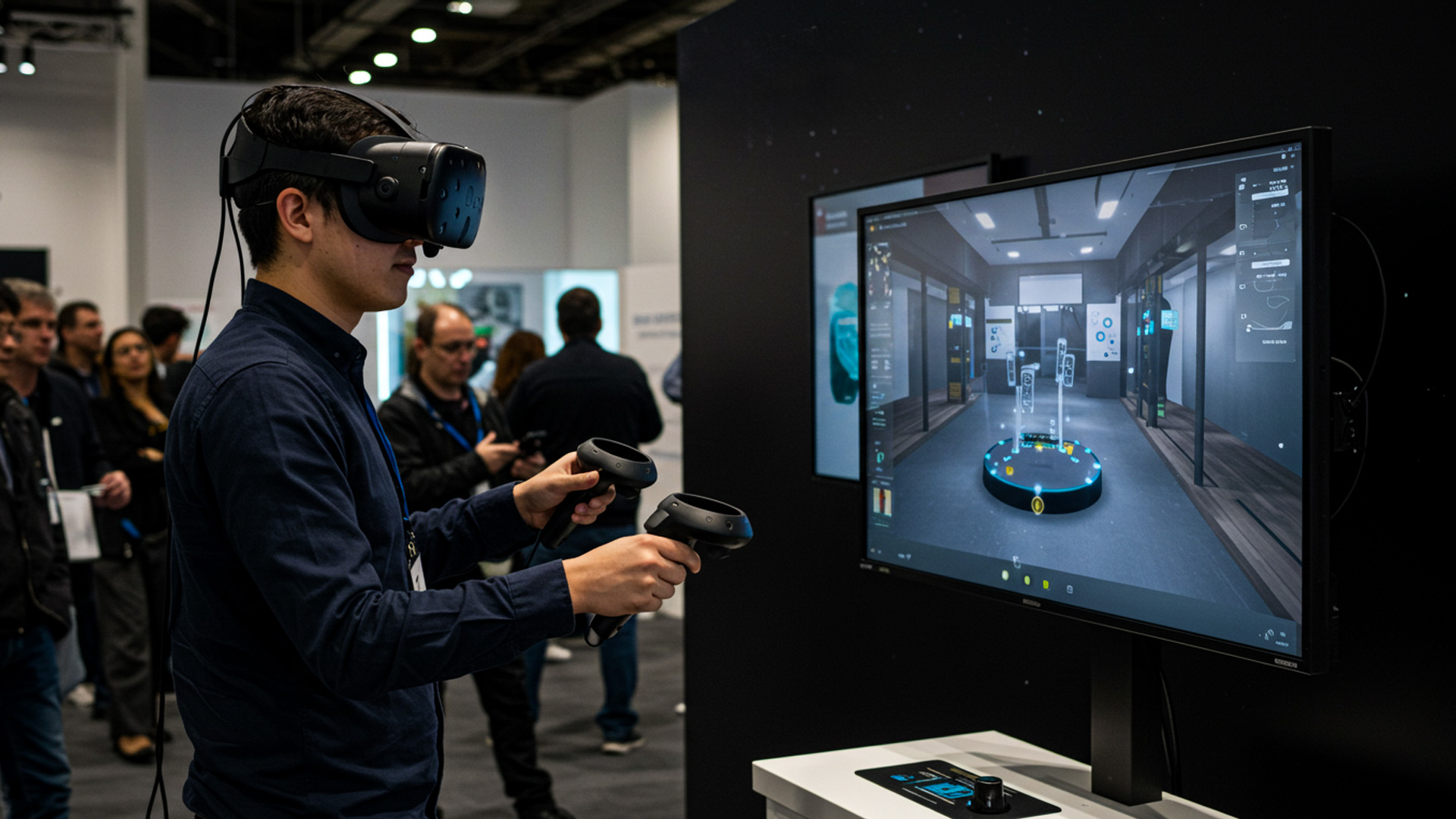
The progression of Virtual Reality hardware has been instrumental in transforming immersive experiences into mainstream phenomena. Cutting-edge headsets, equipped with high-resolution displays and wide fields of view, work in tandem with motion sensors and spatial audio systems to create convincingly immersive environments. Beyond head-mounted displays, the ecosystem of VR includes tactile controllers and full-body tracking systems, each designed to bridge the gap between user movements and the digital space. Manufacturers invest heavily in ergonomic design and lightweight materials to reduce fatigue during extended use, thereby enhancing accessibility and comfort. This hardware evolution continues to lower the barrier to entry, making VR increasingly appealing across multiple demographics.
Complementing the hardware advancements are innovations in software interfaces that ensure fluid interaction within the virtual space. Sophisticated algorithms detect and interpret user gestures, translating natural movements into precise digital commands, thereby enhancing the immersive effect. This synergy between hardware and software cultivates environments where users feel genuinely present, whether they are exploring fantastical worlds or participating in interactive simulations. The integration of high-fidelity sensors and real-time tracking systems enables intuitive control, ensuring that every motion is accurately captured and rendered. As developers refine these technologies further, the promise of ever-more realistic and responsive VR systems heralds a transformative leap in digital interaction and experiential computing.
AR Devices and Mobile Integration
In the realm of Augmented Reality, device integration plays a pivotal role in transforming everyday gadgets into tools for enhanced perception. Smartphones and tablets, already brimming with capable sensors and cameras, serve as intuitive AR platforms that overlay digital content onto the tangible world. The streamlined integration of AR applications within mobile operating systems facilitates immediate engagement and widespread user adoption. Through continuous advancements in computer vision and machine learning, these devices detect surfaces and spatial orientations with increasing precision, thereby delivering seamless digital overlays. The portability and ubiquity of mobile devices ensure that augmented experiences can be enjoyed anytime and anywhere, bridging the gap between virtual enhancements and real-world application.
Mobile integration has redefined how we interact with our environment, blurring the lines between utility and entertainment. AR applications transform static surroundings into dynamic canvases, where contextual data and interactive graphics enhance everyday tasks. Whether navigating urban streets with real-time directions or engaging in interactive product demos, the convergence of AR with mobile technology creates customized experiences tailored to individual needs. This evolution is powered by robust processor architectures and cloud connectivity that support rapid data processing and real-time updates. As advancements continue, the ever-expanding capabilities of AR on mobile platforms promise to further enrich our lives by making the digital augmentation of reality accessible on a global scale.
MR & XR: Bridging the Digital-Physical Divide
Mixed and Extended Reality emerge as transformative forces that bridge the digital and physical worlds with unprecedented fluidity and integration. By synthesizing real and virtual elements, these technologies nurture immersive environments in which digital objects exhibit real-world interactions and physics. Cutting-edge sensors and spatial mapping techniques allow devices to accurately gauge dimensions, surfaces, and contours, effectively layering responsive digital content onto tangible spaces. This integration is not merely superficial; it involves dynamic feedback loops where user actions prompt immediate and contextually appropriate modifications within the augmented scene. The seamless confluence of virtual overlays with physical settings heralds a new era of interactivity that extends beyond the limits of conventional media.
The ingenuity of MR and XR lies in their ability to generate hybrid environments where digital artifacts blend naturally with the user's surroundings. Engineers harness advanced imaging techniques and algorithms to synchronize digital models with live video feeds, creating cohesive interfaces that respond in real time. This synergy fuels applications in collaborative design, remote assistance, and interactive education, driving a reimagining of the traditional workspace and social interaction. As these technologies mature, the sophistication of user interfaces and the fidelity of digital overlays continue to improve, promising to dissolve the once rigid boundaries between physical and virtual realities and to deliver expansive, multifaceted experiences that are intuitive and deeply engaging.
Applications, Industries, and User Experiences
VR in Entertainment and Training
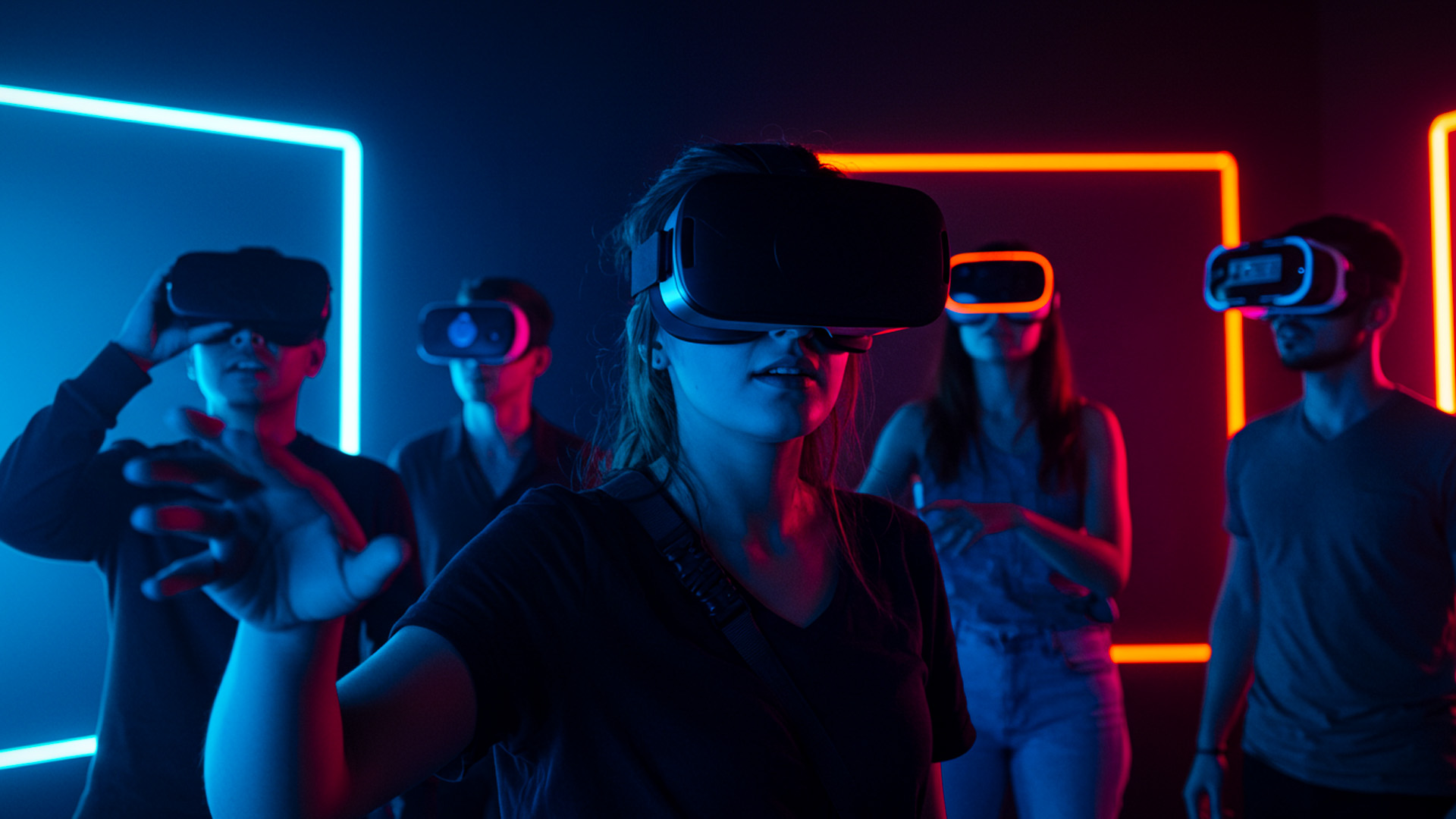
Virtual Reality has profoundly influenced entertainment and training sectors by offering deeply immersive experiences that challenge the norm. In the entertainment realm, VR transports users to fantastical or hyper-realistic worlds where narrative, interactivity, and visual spectacle converge into captivating adventures. This technology enables gamers, filmmakers, and content creators to reimagine storytelling, creating experiences that are not merely observed but actively lived. Similarly, in professional training scenarios, VR simulations provide risk-free environments where practitioners can hone critical skills, from delicate surgical procedures to high-stakes industrial operations. The transformative power of VR lies in its capacity to replicate complex scenarios while providing immediate feedback and experiential learning opportunities that drive user engagement and retention.
In training applications, the immersive nature of VR significantly enhances learning outcomes by replicating real-world challenges in a controlled setting. Trainees step into virtual replicas of actual work environments, where decisions and actions carry realistic consequences, albeit in a safe digital space. This method of experiential learning not only bolsters technical skills but also builds confidence through repeated exposure to simulated high-pressure situations. Furthermore, VR’s multidimensional interfaces facilitate a holistic approach to training, appealing to various learning styles by integrating visual, auditory, and kinesthetic elements. As industries continue to seek innovative methods to minimize risk and optimize performance, VR’s role as an effective and engaging training medium remains unequivocally significant.
AR’s Practical and Commercial Utility
Augmented Reality has permeated countless industries with applications that enhance practicality and drive commercial success. By superimposing digital data onto the physical world, AR enables users to access critical information on the fly—whether it’s detailed product specifications or real-time navigational aids. In commercial settings, AR facilitates interactive product demos, virtual try-ons, and dynamic retail displays that captivate customers, boost engagement, and drive conversion rates. This seamless blend of information and environment transforms mundane transactions into engaging experiences, thereby reshaping retail, hospitality, and service industries. Retailers, for instance, leverage AR to offer customized experiences that allow consumers to visualize products within their own homes before making a purchase decision, thereby bridging the gap between online convenience and in-store personalization.
Beyond retail, AR’s capacity to overlay contextual information significantly improves operational efficiency in sectors such as logistics, manufacturing, and healthcare. Technicians and engineers harness AR to access on-demand schematics and troubleshooting guides, streamlining complex repair and maintenance procedures. In healthcare, clinicians use augmented overlays to pinpoint anatomical landmarks during procedures, thereby enhancing precision and reducing risk. The practical utility of AR lies in its ability to transform isolated data points into cohesive, interactive experiences that directly influence decision-making and performance. As the commercial landscape evolves, businesses continue to integrate AR solutions to foster efficiency, boost engagement, and create value-driven interactions that redefine customer expectations.
MR & XR in Enterprise Innovation
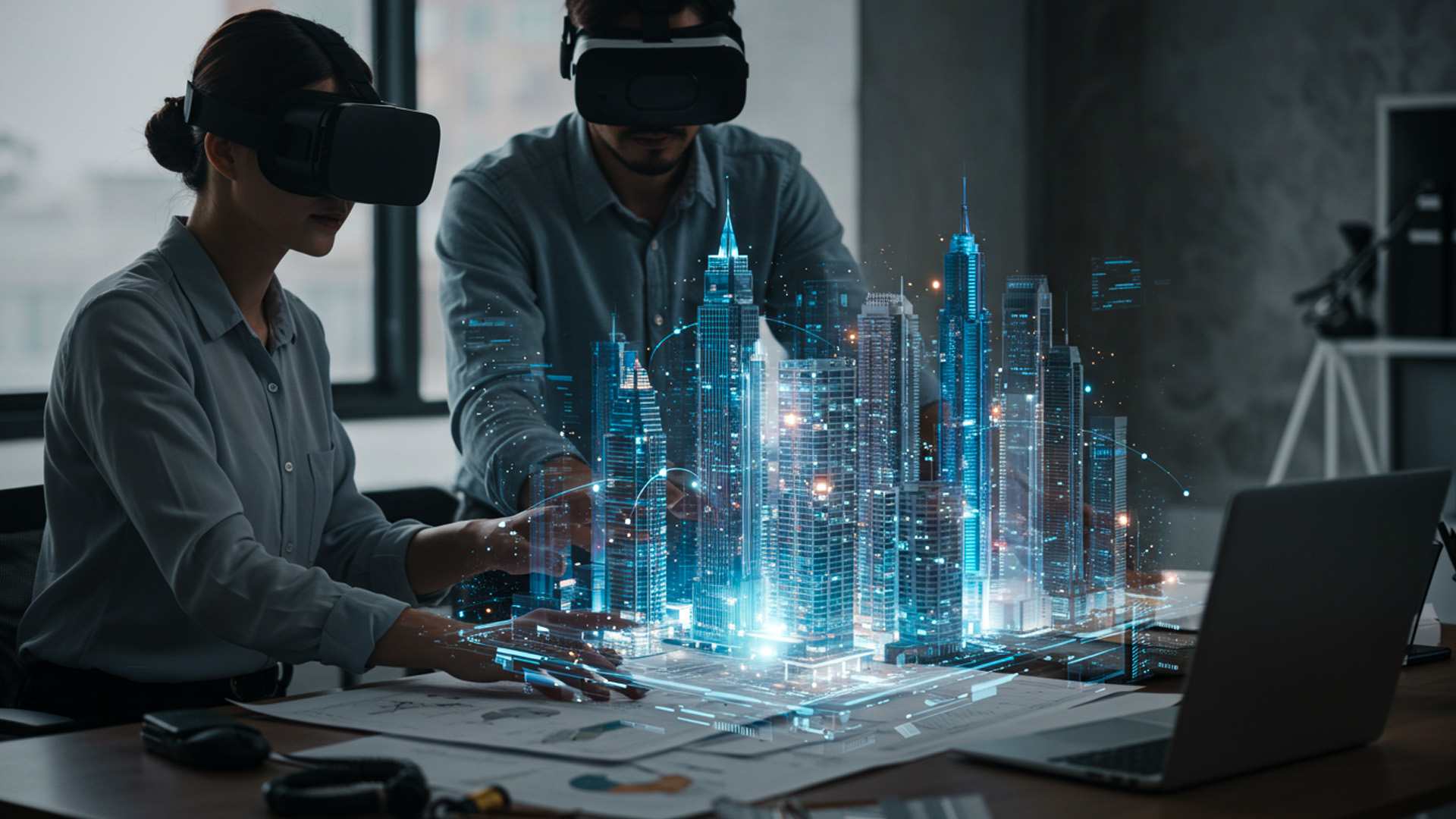
Mixed Reality and Extended Reality have become catalysts for enterprise innovation, revolutionizing how companies approach training, design, and collaboration. These technologies allow businesses to create hybrid environments where digital prototypes are manipulated within real-world workspaces, offering groundbreaking avenues for product development and creative problem solving. By integrating immersive experiences with robust data analytics, enterprises can simulate market scenarios, optimize workflows, and collaborate seamlessly across geographical divides. The pragmatic use of MR and XR extends beyond experimental demonstrations to form a core component of strategies that drive digital transformation and competitive advantage. Enterprises investing in these technologies are not only witnessing enhanced operational efficiencies but also reshaping industry standards through interactive, immersive engagement.
In the sphere of enterprise applications, the impact of MR and XR is evident in sectors ranging from architecture to manufacturing and healthcare. Collaborative platforms built on these technologies enable teams to interact with three-dimensional models in real time, fostering innovation through shared visualizations and instantaneous iterations. Such immersive environments shorten prototyping cycles, reduce errors, and facilitate nuanced design modifications that drive superior product outcomes. Furthermore, these immersive techniques empower remote teams by creating a sense of presence and collaboration that transcends physical distance. The resultant integration of digital and physical workspaces enhances agility and creativity, positioning MR and XR as pivotal instruments in the strategic evolution of modern enterprises.
Challenges, Future Trends, and Integration Potentials
Technical Challenges and Limitations
Despite the remarkable potential of immersive technologies, significant technical challenges persist in ensuring flawless user experiences. Both hardware and software face hurdles in achieving the optimal balance between performance, comfort, and affordability. In Virtual Reality, motion sickness, limited field of view, and latency issues remain persistent concerns that can detract from the overall immersion. Augmented Reality also grapples with spatial accuracy, ambient light interference, and processing limitations that hinder the seamless integration of digital overlays. For Mixed and Extended Reality, the complexity of blending real-world data with responsive digital elements imposes demanding computational burdens and precision requirements on devices. These challenges necessitate continuous refinement in sensor capabilities, algorithms, and material sciences to elevate the user experience.
Overcoming these technical limitations requires a concerted effort across multidisciplinary teams that span hardware engineering, computer vision, and user interface design. Researchers are exploring innovative materials, enhanced tracking algorithms, and scalable cloud computing solutions to address issues such as low latency and limited battery life. The convergence of augmented intelligence and immersive computing holds the promise of mitigating many of these challenges by adapting dynamically to individual user behaviors and environmental factors. As developers iterate on existing solutions, the path toward achieving fluid, lifelike immersive experiences becomes ever clearer. The ongoing collaboration between academia and industry is key to pushing the boundaries of what is technically feasible, thereby setting the stage for the next generation of immersive innovations.
Emerging Trends and Technological Advancements
The horizon of immersive technologies is marked by rapid innovation and emerging trends that signal a transformative future for digital experiences. Recent developments in artificial intelligence, machine learning, and 5G connectivity are converging to usher in a new era of real-time interactivity and adaptive content. Advances in sensor technology and image processing are enabling devices to deliver hyper-realistic visuals and responsive feedback that closely mimic natural interactions. This evolution extends beyond entertainment and training, seeping into healthcare, education, and urban planning, thereby redefining the parameters of engagement and utility. As these trends coalesce, the immersive technology landscape is poised to become more intuitive, efficient, and seamlessly integrated into everyday life, marking a notable shift in how we perceive and interact with our environments.
Technological advancements are also reshaping the business case for immersive platforms by driving scalability and enhanced user adoption. Through progressive iterations, hardware is becoming more ergonomically refined and economically accessible, which in turn paves the way for mass-market uptake. Developers are harnessing advancements in cloud computing to offload intensive processing tasks, thereby reducing device footprint and energy consumption. These innovations are complemented by robust security protocols and data privacy measures that foster trust among enterprise users and consumers alike. In this context, the evolution of immersive technologies is a confluence of research breakthroughs, industry collaboration, and evolving consumer expectations, setting the foundation for a vibrant and transformative digital future.
The Future Landscape of Immersive Experiences
Looking forward, the future landscape of immersive experiences promises a radical transformation in how we interact with both our digital and physical realities. In a rapidly evolving era, breakthrough innovations will further diminish the distinctions between virtual constructs and tangible environments. Developments in haptic feedback, neural interfaces, and AI-driven content generation are expected to catalyze unprecedented levels of personalization and realism. These advancements will foster experiences that are not merely visual spectacles but deeply interactive and multisensory journeys. As immersive technologies integrate seamlessly with smart cities and the Internet of Things, everyday life may evolve into a networked environment where digital enhancements consistently augment human endeavors. This transformative vision heralds an era where augmented layers of information become as natural as the environment we inhabit.
Anticipating the convergence of multiple immersive modalities, industries and societies alike are preparing for a paradigm shift. The maturation of MR and XR is set to blur the lines between work and play, entertainment and productivity, further embedding digital interactivity into the fabric of daily routines. As regulatory frameworks and ethical guidelines evolve alongside these dynamic technologies, stakeholders are tasked with balancing innovation with responsibility. The evolving ecosystem is characterized by collaborative experimentation and iterative refinement, ensuring that future developments in immersive experiences are both groundbreaking and accessible. Ultimately, the future promises immersive realities that are integrally woven into the collective human experience, fostering connection, creativity, and endless innovation.
Challenges Future Trends And Integration Potentials